Choose a plate rolling machine by matching its rolling capacity, material compatibility, plate width, minimum forming diameter, and production volume to your fabrication requirements. The right roller configuration also determines pre-bending performance, operating efficiency, and finished-part accuracy.
The best Plate Rolling Machine is not necessarily the one with the highest rated capacity. It is the machine that can consistently process the materials, dimensions, and shapes required by your production line.
Before selecting equipment, evaluate these six factors:
Maximum plate thickness: Identify the thickest material that needs to be rolled.
Working width: Confirm the maximum plate width the machine can accommodate.
Material type and strength: Consider carbon steel, stainless steel, aluminum alloy, and their mechanical properties.
Minimum rolling diameter: Check the smallest cylinder or curved section required.
Pre-bending capacity: Determine how much straight edge remains after bending the plate ends.
Production volume: Consider whether the machine will support occasional fabrication, mixed orders, or continuous batch production.
A frequent selection mistake is choosing a machine based only on its maximum rolling thickness. Actual capacity also depends on plate width, material strength, roller diameter, and the required forming diameter. A machine rated for a certain thickness in mild steel should not automatically be assumed to handle the same thickness in every other material.
Machine capacity should be evaluated using the most demanding combination of material, thickness, width, and diameter in the production schedule.
Different materials behave differently during rolling:
Carbon steel: Common in structural components, tanks, ducts, and general fabrication.
Stainless steel: Used in food-processing equipment, chemical equipment, and corrosion-resistant components. Its work-hardening behavior and springback should be considered.
Aluminum alloy: Lightweight and widely used in transportation, enclosures, and architectural fabrication. Surface protection may be important.
High-strength steel: May require greater forming force than ordinary carbon steel of the same thickness.
The machine's rated thickness must be checked against the material grade and yield strength. If stainless steel or high-strength plate is part of the production plan, request a capacity assessment based on the actual material specification.
Working width determines the maximum plate dimension that can be processed across the rollers. A machine with sufficient thickness capacity may still be unsuitable if its working width is too small.
For example, Dading's SD-1500-5 four-roll Plate Rolling Machine has a published maximum rolling width of 1,500 mm.
The minimum rolling diameter affects whether the machine can produce the required cylinders and curved sections. Roller diameter, machine structure, material thickness, and forming configuration all influence the achievable result.
Manufacturers should provide the required inside or outside diameter when requesting a machine recommendation, rather than relying on a general diameter estimate.
The choice between three-roll and four-roll equipment depends mainly on pre-bending requirements, production workflow, and the types of workpieces being manufactured.
A three-roll machine is commonly used for general plate bending and cylindrical forming. Its advantages can include a relatively straightforward structure and suitability for a range of fabrication tasks.
However, pre-bending capability depends on the specific roller arrangement. Some three-roll configurations require additional handling or plate repositioning to pre-bend both ends.
A four-roll machine uses an additional roller to clamp and position the plate during forming. Many four-roll configurations can pre-bend both ends and complete rolling without removing and reversing the plate.
Potential advantages include:
Reduced plate repositioning
More convenient pre-bending
Improved process repeatability
Efficient handling of recurring cylindrical work
Compatibility with NC or CNC automation on suitable models
Dading's four-roll plate rolling machine is designed for round, curved, tapered, and other formed workpieces. Its product information describes hydraulic drive, PLC control, and programmable operation.
Practical selection point: Four-roll equipment is often worth evaluating when pre-bending and repeat production are important. However, a three-roll machine may remain a reasonable choice when its specific configuration meets the required forming process and investment budget.
Rolling capacity and pre-bending capacity describe two different operations and should be checked separately.
Rolling capacity refers to the machine's ability to form the main body of the plate into a curved or cylindrical shape.
Pre-bending capacity refers to its ability to bend the plate ends before the main rolling operation.
Pre-bending is important because flat plate ends can create straight sections that complicate shell alignment and longitudinal seam welding.
For example, Dading's SD-1500-5 four-roll plate rolling machine lists:
| Specification | Published value |
|---|---|
| Maximum rolling thickness | 5 mm |
| Maximum pre-bending thickness | 3.8 mm |
| Maximum rolling width | 1,500 mm |
| Plate yield limit | ≤245 MPa |
| Rolling speed | Approximately 6 m/min |
| Minimum rolling diameter | Approximately 250 mm |
| Pre-bent remaining straight edge | ≤1.5 times plate thickness |
These specifications show why buyers should not treat maximum rolling thickness as the machine's pre-bending limit. The two operations have different capacity requirements.
See the Dading SD-1500-5 four-roll plate rolling machine for its published specifications.
Different fabrication jobs require different machine capacities and configurations.
| Fabrication application | Important selection considerations |
|---|---|
| HVAC ducts and ventilation components | Thin-plate capacity, forming diameter, production speed |
| Storage tanks and cylindrical shells | Plate thickness, working width, pre-bending, roundness |
| Stainless steel equipment | Material-specific capacity, surface protection, springback |
| Structural metal fabrication | Plate strength, thickness, width, machine rigidity |
| Conical components | Cone-forming capability and roller adjustment |
| Pipe and tube production | Diameter range, forming consistency, integration with welding equipment |
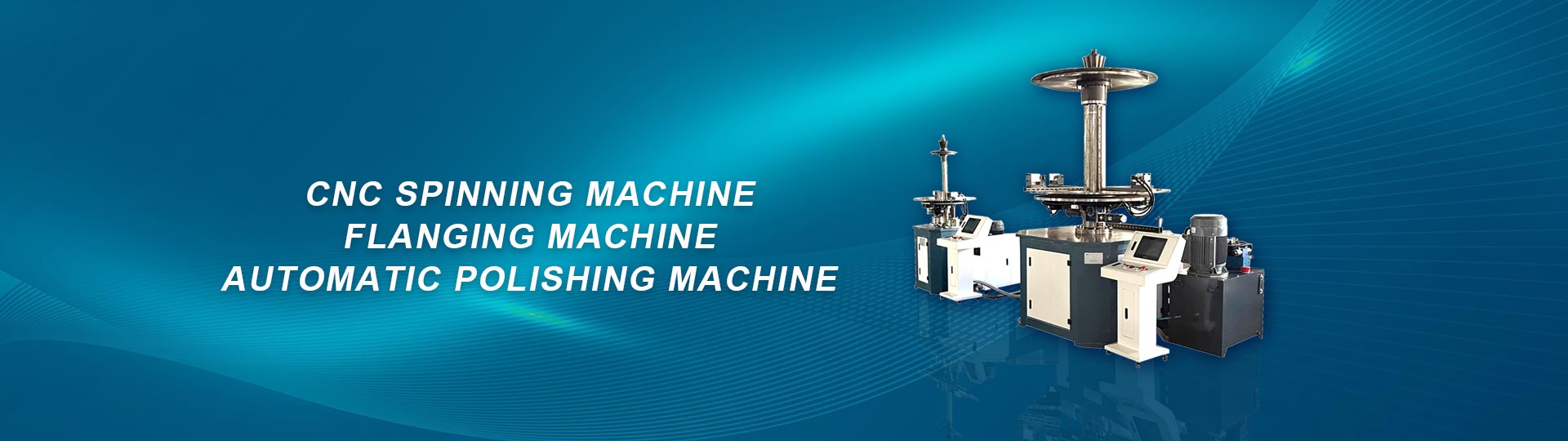
For manufacturers producing complete round-tube assemblies, Dading also offers a pipeline machinery solution that combines a four-roll rolling machine with linear welding and round-tube flanging equipment.
Its published rolling parameters include stainless steel up to 4.0 mm, iron plate up to 6.0 mm, a rolling diameter range of 250–1,600 mm, and workpiece height within 1,500 mm. These specifications apply to the listed equipment configuration and should be confirmed against the intended product.
CNC and automation features can improve process repeatability and reduce manual adjustments, particularly when manufacturers produce recurring workpiece dimensions.
When comparing automated plate rolling machines, check:
Programmable roller movement: Allows operators to set and repeat forming sequences.
PLC or CNC control: Supports controlled machine operation and process adjustment.
Hydraulic drive: Provides the force required for plate positioning and forming.
Position monitoring: Helps operators control roller movement during production.
Safety and fault systems: Should include suitable protection, alarms, and emergency-stop functions.
Dading's four-roller CNC plate rolling machine features a CNC control system and is designed for controlled plate rolling operations.
Automation should be selected according to production complexity. A manufacturer producing a few different workpieces may prioritize flexible setup, while a factory with recurring orders may benefit more from programmable forming sequences.
Before requesting a quotation, prepare the technical information needed to evaluate the machine accurately.
A useful equipment specification should include:
Material type and grade.
Maximum and minimum plate thickness.
Maximum plate width.
Required cylinder diameter or forming radius.
Whether cylindrical, conical, or other curved shapes are required.
Required pre-bending performance.
Expected production volume.
Automation and operator requirements.
Where possible, provide product drawings or representative material samples. A forming trial can help verify whether the proposed machine can achieve the required geometry, edge condition, and surface quality.
Buyers should also discuss installation, operator training, maintenance, tooling, spare parts, and after-sales technical support before confirming the equipment configuration.
Dading provides plate rolling equipment for metal fabrication applications, including three-roll, four-roll, CNC, automatic, and conical plate rolling configurations.
The selection process should start with the actual workpiece requirements:
For general plate bending, compare suitable three-roll and four-roll configurations.
For production requiring convenient plate-end pre-bending, evaluate four-roll equipment.
For repeat production and controlled forming sequences, consider CNC or PLC-controlled models.
For cylindrical and conical components, confirm the machine's forming range and available roller adjustments.
For integrated tube production, consider whether rolling, welding, and flanging equipment should be configured together.
Explore the Dading Plate Rolling Machine range to compare available equipment and identify a suitable configuration.
The most reliable selection is based on the complete production specification—not a single maximum-capacity figure. Matching material strength, plate dimensions, pre-bending requirements, and production workflow helps prevent undersized equipment, unnecessary investment, and avoidable forming problems.
Choose a machine based on the thickest and widest plate in your production range, the material's strength, and the minimum required rolling diameter. Confirm both rolling and pre-bending capacities before purchasing.
Not in every application. Four-roll machines can simplify plate positioning and pre-bending, making them attractive for repeat production. Three-roll machines can be suitable for general fabrication when their roller configuration meets the required forming process.
Yes. Suitable plate rolling machines can process stainless steel, but the machine must be selected according to the grade, thickness, width, and forming diameter. Work-hardening and springback should also be considered.
Pre-bending is the operation of bending the plate ends before rolling the main body into a cylinder or curved shape. It reduces the flat sections at the ends and can simplify alignment and welding.
The terms are often used interchangeably in metal fabrication. A plate rolling machine typically uses multiple rollers to form continuous curves, cylinders, and cones, while a press brake uses a punch and die to create straight bends at specific angles.
Provide the material grade, maximum plate thickness, working width, required diameter, product drawings, production volume, and pre-bending requirements. These details help the manufacturer evaluate the appropriate machine capacity and configuration.