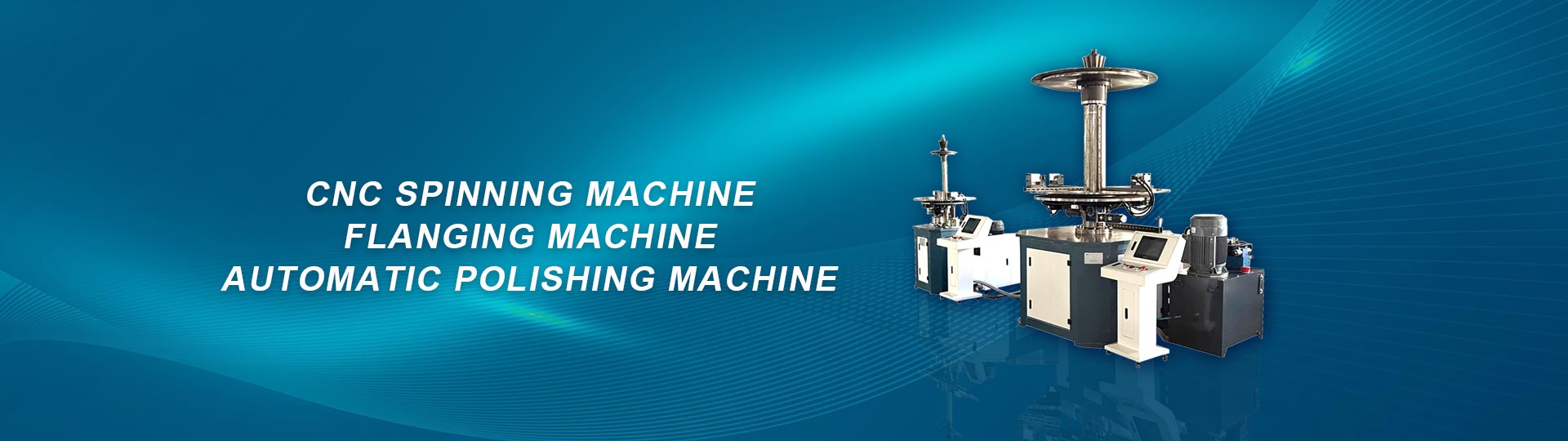
A pipe Flanging Machine forms the end of a pipe into a flange or shaped edge, creating a connection surface for joining, sealing, assembly, or reinforcement in industrial piping systems.
A pipe flanging machine is a type of metal forming equipment designed to create flanges on pipe ends or cylindrical metal workpieces. It uses mechanical, hydraulic, or CNC-controlled forming movements to reshape the pipe edge into a specified profile.
A formed flange can serve several purposes:
Pipe connection: Provides an edge for connecting pipes to other components.
Sealing: Creates a suitable contact surface for certain gasket-based connections.
Structural reinforcement: Strengthens the pipe end against deformation.
Assembly: Supports bolted, clamped, or other mechanical connection methods.
Edge forming: Produces consistent pipe-end shapes for subsequent manufacturing operations.
Pipe flanging machines are used in metal fabrication, ventilation equipment, industrial containers, pressure vessel manufacturing, and selected piping applications.
A pipe flanging machine is primarily used to form pipe ends so they can be connected, sealed, or assembled with other components.
Common applications include:
Flanging can create formed pipe ends or connection features for certain piping assemblies. Depending on the design, these features may work with separate slip flanges, gaskets, clamps, or other connection components.
Metal ducts and cylindrical ventilation components may require formed edges for connection, reinforcement, or assembly. Flanging equipment can help produce consistent edges on repeated components.
Selected cylindrical shells and container components require formed edges to support joining and assembly. The appropriate forming method depends on the vessel design, material thickness, and engineering requirements.
Fan housings, cylindrical covers, and other fabricated metal components may require flanging, punching, or edge rolling as part of their production process.
Pipe and cylinder forming equipment can also process selected container components where a shaped edge is required for assembly or reinforcement.
A pipe flanging machine works by securing a pipe or cylindrical workpiece and applying controlled force through forming tools to reshape its edge.
A typical process includes five steps:
Pipe loading: The operator places the pipe or cylindrical workpiece onto the machine's support system.
Positioning and clamping: The machine secures the workpiece to maintain alignment during forming.
Parameter setting: The required flange dimensions, forming position, and processing sequence are selected.
Flange forming: The forming tool applies mechanical or hydraulic force to bend or reshape the pipe edge. Some machines use rotating workpieces and coordinated forming tools.
Inspection and unloading: The finished edge is checked for dimensions, shape, cracks, and other quality requirements.
The exact forming method depends on the pipe diameter, wall thickness, material, and required flange profile.
For rotating workpieces, stable support is especially important. Excessive radial movement can affect forming accuracy and create inconsistent flange dimensions.
Pipe flanging machines can be classified according to their forming method and automation level.
Hydraulic machines use hydraulic cylinders to generate forming pressure. They are suitable for applications requiring controlled force and robust forming capabilities.
CNC machines use programmed control to coordinate forming movements and workpiece positioning. Compatible models can store processing configurations, helping reduce repeated setup work when changing products.
Automatic machines integrate functions such as workpiece support, positioning, forming, and other processing operations. Their automation level depends on the machine configuration.
Some machines combine flanging with punching, flaring, crimping, or edge rolling. These configurations can reduce the number of separate processing operations required for certain cylindrical products.
The best machine type depends on the pipe geometry, production volume, material properties, and required forming operations.
Pipe flanging and pipe flange welding are different manufacturing processes.
Pipe flanging reshapes the pipe material itself to create a formed edge. Pipe flange welding attaches a separate flange component to the pipe through a welding process.
| Comparison | Pipe Flanging | Pipe Flange Welding |
|---|---|---|
| Process | Forms the pipe edge | Welds a separate flange to the pipe |
| Main equipment | Flanging machine | Welding equipment |
| Material deformation | Pipe edge is mechanically formed | Pipe and flange are joined by welding |
| Additional flange component | Depends on connection design | Usually requires a separate flange |
| Typical application | Formed pipe ends and selected mechanical connections | Conventional welded pipe-flange assemblies |
| Quality considerations | Forming accuracy, material condition, and flange geometry | Weld quality, alignment, and inspection requirements |
The choice depends on the piping design, pressure rating, applicable standards, material, and installation requirements.
A formed pipe end should not automatically be treated as equivalent to a conventional welded flange. The connection must be designed and qualified for its intended service conditions.
Pipe flanging machines can process different metal materials when the machine capacity and tooling are suitable.
Common materials include:
Stainless steel: Used for industrial piping, containers, and equipment components.
Carbon steel: Used for fabricated pipes, ducts, and structural components.
Aluminum: Used for lightweight ducts, housings, and selected industrial products.
Other formable metals: Can be processed depending on their strength, ductility, and wall thickness.
Material selection affects the required forming force and the risk of cracking, wrinkling, or excessive deformation.
Before selecting equipment, manufacturers should confirm the material grade, pipe diameter, wall thickness, flange dimensions, and forming radius.
A suitable pipe flanging machine can improve forming consistency and reduce manual edge-processing work.
Key advantages include:
Consistent flange dimensions: Controlled forming movements help maintain repeatable edge geometry.
Reduced manual operations: Mechanical forming reduces dependence on manual edge shaping.
Improved production efficiency: Automated or multifunctional configurations can reduce separate processing steps.
Better workpiece positioning: Clamping and support systems help stabilize cylindrical components.
Flexible processing: Different tooling and settings can accommodate selected pipe sizes and edge profiles.
Repeatable production: CNC control and stored programs can help maintain similar processing conditions across batches.
From a manufacturing perspective, the biggest advantage is often the integration of forming operations. When flanging, punching, and edge rolling are combined in one machine, manufacturers may reduce workpiece transfers and repeated positioning.
Actual efficiency depends on the workpiece design, processing cycle, and machine configuration.
Selecting a pipe flanging machine requires evaluating the complete workpiece and production process.
Consider these seven factors:
Pipe diameter: Confirm the minimum and maximum pipe or cylindrical workpiece diameters.
Wall thickness: Check the machine's forming capacity for the specified material thickness.
Material type: Consider stainless steel, carbon steel, aluminum, and their mechanical properties.
Flange dimensions: Define flange width, angle, profile, and dimensional tolerances.
Required functions: Determine whether punching, flaring, crimping, or edge rolling is also necessary.
Automation level: Evaluate CNC control, servo drives, stored programs, and automatic support systems.
Production volume: Match machine capacity and cycle time to expected output.
A practical evaluation should include workpiece drawings, material specifications, sample parts, and the required connection design. These details help the manufacturer determine whether a dedicated pipe flanging machine or multifunctional forming equipment is more suitable.
Guangdong Dading Hardware Machinery Co., Ltd. manufactures metal forming equipment, including automatic and CNC flanging machines for cylindrical components and industrial metal products.
Dading's equipment range includes machines that integrate pipe-related forming operations such as flanging, punching, flaring, and edge rolling.
Relevant equipment includes:
Dading Flanging Machine Range – Explore flanging equipment for different metal forming applications.
Automatic Flanging Machine – A CNC-controlled model with servo-driven workstations, stored forming programs, and hydraulic workpiece support. Its published processing range is 250–1,300 mm in diameter, with material thickness from 0.6–4 mm.
Flanging and Beading Machine – Combines edge forming, punching, crimping, and edge rolling. Its published processing dimensions are 250–1,300 mm, with material thickness from 0.6–4 mm.
Flange Flanging Machine – A CNC model with a published processing diameter range of 350–2,000 mm and material thickness capacity of 2–6 mm.
These machines are designed for different workpiece configurations. Their published processing ranges should not be interpreted as universal pipe specifications. Actual suitability depends on pipe geometry, material, forming method, and required edge dimensions.
For pipe-related applications, Dading recommends confirming the workpiece drawing and forming requirements before determining the final machine configuration.
Yes. Stainless steel pipes can be processed when the machine's forming capacity, tooling, and parameters are suitable for the material grade, diameter, and wall thickness.
A pipe flanging machine focuses on forming a flange or shaped edge at the pipe end. A pipe end forming machine is a broader category that may also include expanding, reducing, beading, flaring, and other end-processing operations.
Yes. Certain multifunctional machines integrate flanging and punching, and some configurations also support flaring, crimping, or edge rolling. The available functions depend on the equipment design.
Not in every application. Flanging can provide formed connection features for certain mechanical assemblies, but conventional welded flange connections remain necessary where specified by the piping design, engineering standards, or service requirements.
Manufacturers should provide pipe diameter, wall thickness, material grade, flange dimensions, required forming operations, workpiece drawings, and expected production volume.
Yes. CNC control and stored processing programs can help maintain repeatable forming conditions and reduce setup adjustments when processing standardized workpieces.
A pipe flanging machine is used to form pipe ends for connection, sealing, reinforcement, and assembly. It applies controlled forming force to create consistent edge profiles for industrial piping and cylindrical metal components.
For manufacturers handling repeated production, CNC and automatic flanging equipment can improve dimensional consistency and reduce manual processing. Dading provides different metal flanging solutions, with equipment selection based on actual workpiece dimensions, material properties, and forming requirements.