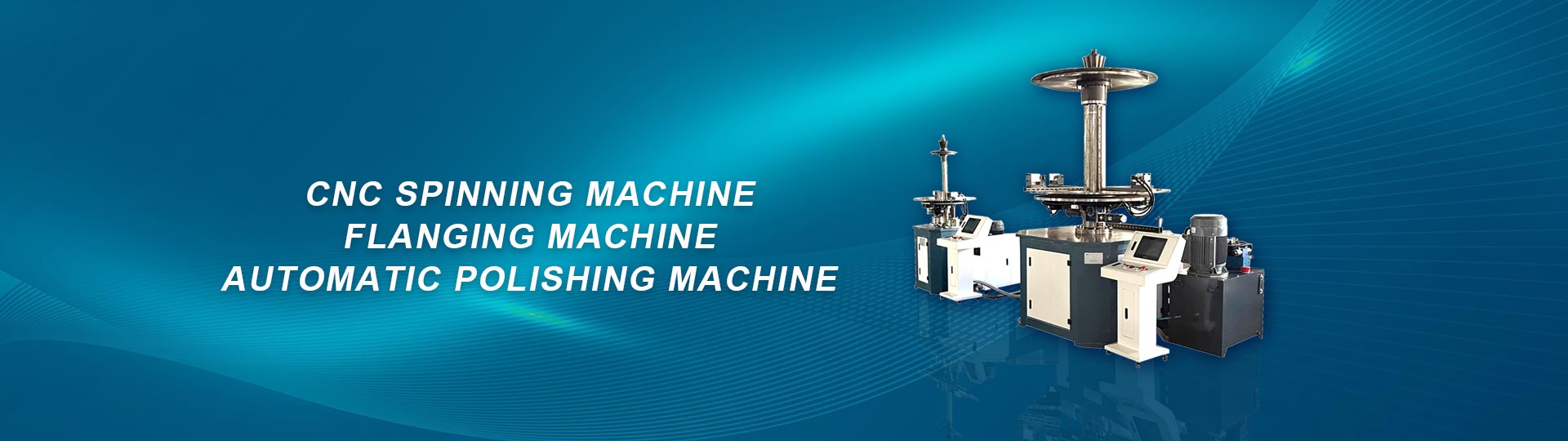
A conical plate rolling machine is used to form flat metal sheets into cone-shaped or tapered components, including funnels, reducers, hoppers, and transition sections. It helps manufacturers produce consistent conical workpieces for industrial fabrication and assembly.
A conical Plate Rolling Machine applies controlled pressure to a metal plate while guiding it through a forming process that creates a tapered shape.
Unlike ordinary cylindrical rolling, conical forming must account for the different circumferential lengths at the two ends of the workpiece. The larger end travels a longer distance than the smaller end, so the forming arrangement must accommodate this difference to achieve the required taper.
A typical conical rolling process involves:
Blank preparation: A flat metal blank is cut into a suitable sector or tapered development shape.
Workpiece positioning: The blank is placed against the machine's forming rollers or disc-type working structure.
Forming adjustment: The machine is configured according to the required cone dimensions and material.
Rolling operation: Controlled pressure and movement progressively bend the blank into a conical shape.
Inspection: The finished component is checked for cone angle, end diameters, roundness, and edge alignment.
The exact forming method depends on the machine design. A dedicated conical rolling machine is designed to handle tapered geometry rather than simply producing a straight cylindrical shell.
Conical plate rolling machines are used wherever metal components need to change diameter or transition between different cross-sectional sizes.
Typical products include:
Conical reducers: Connect larger and smaller pipe or duct sections.
Metal funnels: Guide liquids, powders, or bulk materials into smaller openings.
Hoppers: Form tapered sections for material storage and discharge.
Transition sections: Connect equipment or ductwork with different diameters.
Exhaust components: Produce tapered metal sections used in exhaust assemblies.
Decorative metal cones: Manufacture conical covers, housings, and architectural components.
The product's cone angle, small-end diameter, large-end diameter, height, material thickness, and joining requirements should all be considered before selecting equipment.
Conical components are used in many industries because tapered structures provide a practical way to connect different diameters, guide materials, and form specialized equipment.
Hoppers, material outlets, funnels, and equipment transition sections often require tapered metal structures. A conical rolling machine can help form these components before welding and assembly.
Ventilation systems use tapered transitions to connect ducts or equipment with different diameters. The finished geometry can help create a smoother change in duct size.
Tapered metal sections may be used in exhaust assemblies and other tubular components. Material thickness, diameter, and surface condition must match the intended application.
Funnels, reducers, and transition sections can be incorporated into process equipment. Material selection is particularly important when components must withstand corrosion, temperature, or specific operating conditions.
Conical covers, metal housings, and decorative tapered structures may require consistent geometry and a clean surface finish.
The machine's suitability for each application depends on its actual processing capacity and the dimensions of the required component.
Material compatibility depends on the machine's structure, forming method, roller configuration, and rated capacity.
Common materials include:
Carbon steel: Used for industrial hoppers, funnels, duct transitions, and general fabricated components.
Stainless steel: Suitable for applications requiring corrosion resistance and a cleanable surface.
Aluminum: Used where lightweight construction is important.
Other formable metals: May be processed when their mechanical properties are compatible with the equipment.
Dading's disc-type conical plate rolling machine lists the following material thickness capabilities:
| Material | Published thickness range |
|---|---|
| Iron plate | 0–3 mm |
| Stainless steel | 0–1.5 mm |
| Aluminum plate | 0–5 mm |
These are specifications for the listed Dading machine, not universal limits for all conical rolling equipment. Actual forming capability should be confirmed using the material grade, blank dimensions, and required cone geometry.
The main difference is the shape each machine is designed to form.
| Comparison | Conical plate rolling machine | Standard plate rolling machine |
|---|---|---|
| Main output | Tapered and cone-shaped components | Cylindrical and curved components |
| Forming geometry | Different diameters at opposite ends | Generally consistent diameter along the length |
| Forming requirements | Must accommodate different circumferential travel distances | Primarily controls the target cylindrical radius |
| Typical products | Reducers, funnels, hoppers, cones | Tanks, cylindrical shells, curved plates |
| Equipment configuration | Dedicated conical forming structure or tooling | Two-, three-, or four-roll arrangements |
A standard plate rolling machine may be capable of producing tapered workpieces if it has a suitable cone-forming function or configuration. However, not every standard plate roller is designed for this operation.
For manufacturers producing cones regularly, a dedicated conical machine can offer a more suitable forming arrangement.
A disc-type conical plate rolling machine uses a disc-shaped working structure to support the forming process. It is designed for rolling circular and conical metal blanks.
Dading's Disc Type Conical Plate Rolling Machine uses a PLC touchscreen control system and hydraulic-electric drive.
Its published specifications include:
Main motor power: 4 kW
Oil pump motor power: 3 kW
Total power: 7 kW
Processing conical section length: 400 mm
Iron plate thickness: 0–3 mm
Stainless steel thickness: 0–1.5 mm
Aluminum plate thickness: 0–5 mm
Operating modes: Manual and automatic
The product page also describes high rounding efficiency, good roundness, and forming without a straight edge or separate pre-bending operation.
One important production consideration is that different workpiece specifications require corresponding mold changes. This makes tooling requirements and product variety important factors when evaluating the machine.
A dedicated conical rolling machine can provide several benefits for manufacturers producing tapered metal components.
Suitable for tapered geometry: The machine is designed around the forming requirements of conical workpieces.
Consistent forming: A suitable machine configuration can help maintain the required taper and roundness.
Reduced edge preparation: Dading's disc-type model describes forming without a straight edge, reducing the need for a separate pre-bending operation for its intended applications.
Automation options: PLC touchscreen control and automatic operation can reduce repetitive manual adjustments.
Application flexibility: Depending on tooling and capacity, the machine can process different metal materials and cone specifications.
A conical plate rolling machine is not suitable for every plate-forming requirement.
Material thickness and strength are limited by the machine's rated capacity.
Different cone dimensions may require different molds or tooling.
The maximum forming length and diameter must match the intended product.
Frequent changes between product specifications can increase setup time.
Thick-plate industrial applications may require a different machine structure.
For this reason, equipment selection should begin with actual product drawings and production requirements rather than general machine descriptions.
Choosing suitable equipment requires matching the machine's forming range and tooling to the products being manufactured.
Before requesting a quotation, prepare the following information:
Small-end diameter: The diameter at the narrower end of the cone.
Large-end diameter: The diameter at the wider end.
Cone height or forming length: The required axial dimension of the finished component.
Cone angle: The taper required by the product drawing.
Material and thickness: Include the metal grade and maximum plate thickness.
Production quantity: Identify whether the machine will support occasional orders or repeated batch production.
Tooling requirements: Confirm whether different cone dimensions require mold changes.
Automation requirements: Determine whether manual or automatic operation is more suitable.
A sample-forming trial is particularly useful when the cone geometry is complex or the material is difficult to form. It helps verify dimensional accuracy, roundness, surface condition, and the suitability of the proposed tooling.
Dading recommends evaluating the machine against representative workpieces before finalizing the configuration.
Dading provides dedicated conical plate rolling equipment for manufacturers producing tapered metal components.
The Dading Conical Plate Rolling Machine and Disc Type Conical Plate Rolling Machine are relevant options for evaluating conical forming requirements.
When discussing a machine configuration with Dading, manufacturers should provide:
Product drawings or samples
Small-end and large-end diameters
Cone length and angle
Material type and thickness
Expected production quantity
Required forming accuracy
Tooling and automation preferences
This information allows the equipment configuration to be evaluated against the actual production task.
For manufacturers whose main products are tapered components, selecting a machine specifically designed for conical forming can help simplify production planning and improve forming consistency.
It is used to roll flat metal blanks into tapered or cone-shaped components, including reducers, funnels, hoppers, exhaust transitions, and industrial equipment sections.
Yes, provided the machine is rated for the material grade and thickness. Dading's disc-type conical machine lists stainless steel processing up to 1.5 mm, subject to the required workpiece geometry.
A conical rolling machine is configured to produce different diameters at opposite ends of a workpiece. A standard plate roller is primarily designed for cylindrical or curved shapes with a consistent radius along the workpiece length.
It depends on the machine design and tooling. Dading's disc-type model requires mold changes for different workpiece specifications, so tooling flexibility should be considered when production involves multiple cone sizes.
Not necessarily. Some dedicated conical machines can form workpieces without a separate pre-bending operation. Dading describes this capability for its disc-type model. The result depends on the machine configuration and workpiece specification.
The most important details are the small-end diameter, large-end diameter, cone length, cone angle, material grade, plate thickness, and expected production quantity.
A conical plate rolling machine is specialized equipment for producing tapered metal components. Selecting the right configuration requires matching cone geometry, material capacity, tooling, and production volume to the actual manufacturing requirements.