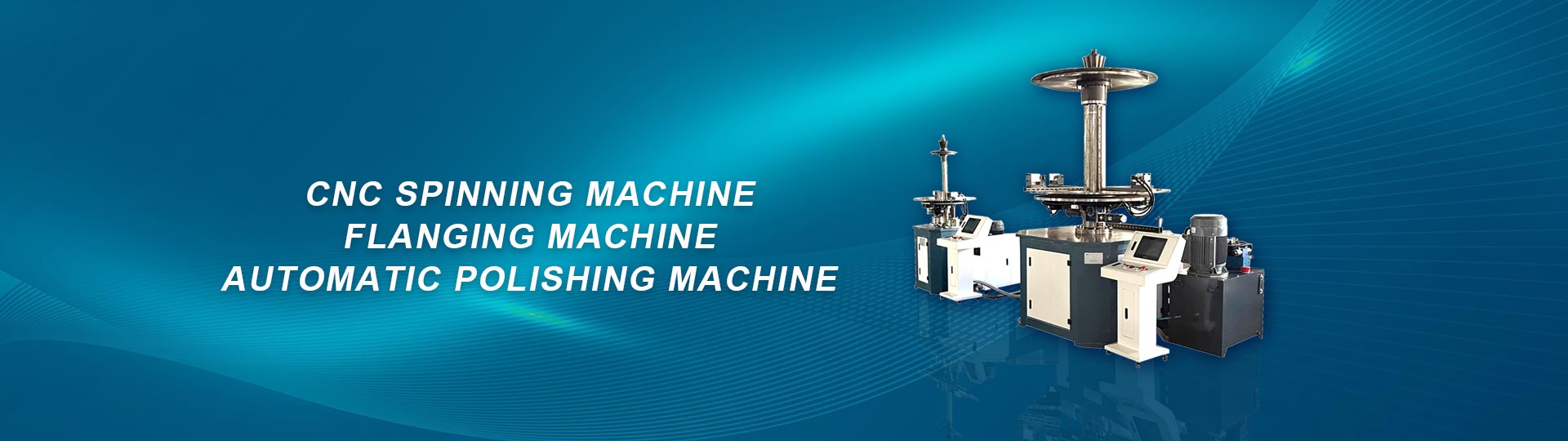
Manual metal polishing relies on operators to control polishing tools and workpieces, while automatic metal polishing uses machinery to perform controlled, repeatable surface-finishing operations with less manual intervention.
Manual metal polishing is a surface-finishing process in which operators use handheld polishing tools, grinding wheels, abrasive belts, or polishing compounds to improve a metal workpiece's surface.
The operator controls the polishing pressure, movement, angle, and processing time. This makes manual polishing flexible for custom-shaped components, small batches, and areas that require detailed finishing.
Common characteristics include:
Direct operator control over polishing pressure and movement.
Flexible adjustment for different workpiece shapes.
Relatively low initial equipment investment.
Greater dependence on operator experience and skill.
More time and labor required for repetitive production.
Manual polishing is often suitable for prototypes, repair work, customized metal parts, and small production runs.
Automatic metal polishing uses mechanical systems to control polishing heads, workpiece positioning, rotation, and processing movements.
Depending on the machine design, automated functions may include workpiece clamping, multi-head polishing, automatic waxing, polishing-wheel compensation, and programmed processing sequences.
For example, Dading's automatic polishing equipment uses rotating workstations and multiple polishing heads to process metal components in a controlled production cycle.
Common characteristics include:
Mechanically controlled polishing movements.
More consistent processing conditions between workpieces.
Reduced repetitive manual polishing operations.
Support for multi-station and batch production.
Adjustable processing parameters and automation functions.
Automatic polishing is particularly useful for manufacturers processing repeated metal products with defined surface-finish requirements.
The main difference is the level of automation, operator involvement, and process repeatability. Manual polishing depends on operator technique, while automatic polishing uses controlled machine movements to improve consistency and production efficiency.
| Comparison | Manual Metal Polishing | Automatic Metal Polishing |
|---|---|---|
| Operation | Hand-operated | Mechanically or digitally controlled |
| Labor requirement | High operator involvement | Reduced repetitive manual work |
| Polishing consistency | Depends on operator skill | More repeatable with suitable settings |
| Production efficiency | Slower for large batches | Better suited to batch production |
| Workpiece flexibility | Highly flexible for custom tasks | Depends on fixtures and machine configuration |
| Initial investment | Generally lower | Generally higher |
| Process control | Operator judgment | Adjustable machine parameters |
| Best suited for | Small batches and customized work | Repeated production and standardized parts |
Neither method is suitable for every application. The right choice depends on product geometry, production volume, surface requirements, and manufacturing costs.
Automatic metal polishing generally provides better repeatability when the workpieces have similar dimensions and surface requirements.
Manual polishing can produce excellent results in skilled hands, but differences in operator pressure, movement speed, and polishing time may create variations between parts.
Automatic machines reduce some of these variations by controlling:
Polishing head position and movement.
Workpiece rotation and positioning.
Processing time.
Polishing-wheel contact and compensation.
Polishing compound or wax application.
However, automation does not guarantee a perfect finish. Incoming material quality, surface defects, abrasive selection, fixture accuracy, and machine settings all affect the final result.
From a manufacturing perspective, consistent finishing requires the entire process to be controlled—not simply a machine with more polishing heads.
Automatic metal polishing is generally more efficient for mass production because multiple workpieces can be processed through organized stations with less repetitive manual handling.
Manual polishing requires operators to handle each workpiece and control the polishing process individually. As production volume increases, labor requirements and differences in processing results can become more difficult to manage.
Automatic systems can improve production efficiency through:
Multiple polishing heads operating in sequence or simultaneously.
Rotary workstations for organized workpiece movement.
Automatic waxing where required.
Automatic compensation for polishing-wheel wear on compatible models.
Adjustable processing time and machine movements.
For example, Dading's multi-station automatic pot polishing machine uses eight polishing heads and a ten-position turntable. Its published configuration is designed to support continuous or intermittent operation under PLC control.
This type of configuration illustrates how automation can reduce repetitive handling in cookware production. Actual output still depends on the workpiece, polishing requirements, and production settings.
Both methods can process different metal products, but the suitable approach depends on product geometry and production requirements.
| Metal Product | Manual Polishing | Automatic Polishing |
|---|---|---|
| Stainless steel cookware | Suitable for repairs and small batches | Suitable for repeated cookware production |
| Bathroom accessories | Suitable for customized components | Suitable for standardized metal fittings |
| Metal discs | Suitable for small quantities | Suitable for batch surface finishing |
| Pressure vessel heads | Suitable for selected repair or finishing tasks | Suitable for configured industrial polishing processes |
| Customized metal parts | Flexible for irregular shapes | Requires suitable fixtures and tooling |
Common materials include stainless steel, aluminum, carbon steel, and other metals compatible with the selected polishing consumables.
The material grade and initial surface condition should be evaluated before choosing the polishing process.
Manual polishing may be the better option when production requirements involve frequent changes, small quantities, or detailed work that is difficult to automate economically.
Manual polishing is suitable when:
Production quantities are small.
Workpiece shapes vary significantly.
Products require occasional custom finishing.
The initial equipment budget is limited.
Skilled operators are available.
Automation would require expensive custom fixtures.
For manufacturers with changing product designs, manual polishing can provide useful flexibility without the setup requirements of a dedicated automatic machine.
Automatic polishing is generally a better choice when production involves repeated workpieces, stable product specifications, and consistent surface-finish requirements.
Automatic polishing is suitable when:
Production volumes are relatively high.
Products have standardized dimensions and shapes.
Consistent surface finishing is important.
Repetitive manual polishing creates labor pressure.
Multiple polishing stages are required.
The production line benefits from automatic waxing or consumable compensation.
Before investing, manufacturers should compare the total production cost, including labor, consumables, maintenance, setup time, and equipment investment.
A practical evaluation is to process representative workpieces using the proposed machine configuration. This helps determine whether the automation level and polishing sequence match actual production needs.
Guangdong Dading Hardware Machinery Co., Ltd. manufactures metal forming and surface treatment equipment. Its Automatic Polishing Machine range includes solutions for cookware, bathroom accessories, metal discs, and pressure vessel heads.
Relevant equipment includes:
Dading Automatic Polishing Machine Range – Explore automatic polishing equipment for different metal products.
Multi-Station Automatic Pot Polishing Machine – Configured with eight polishing heads, ten workstations, PLC control, and an automatic waxing system.
YP-8 Cookware Fully Automatic Polishing Machine – Features eight polishing heads and 20–24 workpiece installation positions, with automatic waxing and polishing-wheel compensation.
Stainless Steel Disc Automatic Grinding and Polishing Machine – Designed with four polishing heads, an automatic wax-spraying device, and a workpiece mounting disc.
Pressure Vessel Head Automatic Disc Polishing Machine – Supports staged rough and fine polishing through a multi-station processing arrangement.
These configurations demonstrate how automatic polishing equipment can be adapted to different product shapes and production requirements.
Dading recommends evaluating workpiece dimensions, material, initial surface condition, target finish, and expected output before selecting a machine. This approach helps avoid choosing equipment based only on motor power or the number of polishing heads.
Automatic polishing is generally better for repeated production and consistent processing. Manual polishing remains useful for small batches, customized products, and detailed finishing tasks.
Manual polishing usually requires less initial equipment investment. However, labor costs and processing time can increase as production volume grows.
Yes. Suitable automatic polishing machines can produce mirror finishes when the workpiece material, initial surface condition, polishing sequence, and consumables are appropriate.
No. Operators are still needed for machine setup, workpiece loading, quality inspection, consumable replacement, and maintenance. Automation mainly reduces repetitive manual polishing work.
Yes. automatic polishing machines are widely used for stainless steel cookware, bathroom accessories, discs, and other components. The polishing configuration must match the workpiece geometry and required finish.
Manufacturers should compare production volume, labor requirements, workpiece consistency, surface-finish standards, and total operating costs. Testing representative workpieces is a practical way to evaluate whether automation is worthwhile.
The main difference between manual and automatic metal polishing is how the polishing process is controlled. Manual polishing offers flexibility for customized work, while automatic polishing supports repeatable finishing and more efficient batch production.
For manufacturers handling standardized metal products, automatic polishing can reduce repetitive labor and improve process consistency. Dading provides different automatic polishing configurations to meet the requirements of cookware, bathroom accessories, metal discs, and pressure vessel heads.