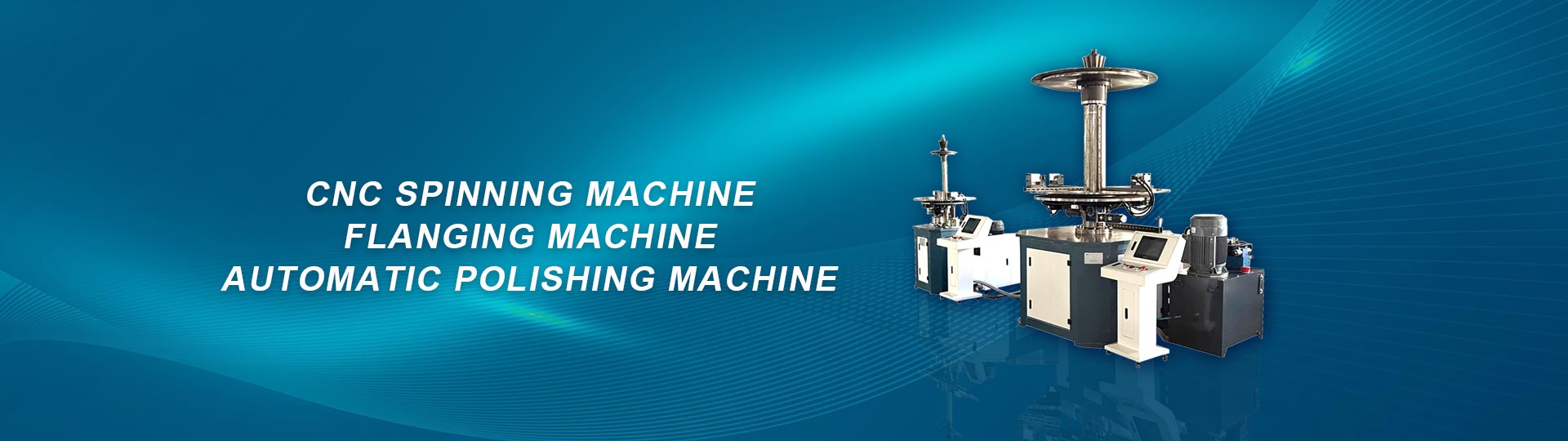
Choose the right CNC metal spinning machine by evaluating material thickness, workpiece dimensions, production volume, automation, and machine capacity to improve manufacturing efficiency and forming consistency.
Compare CNC and conventional metal spinning, understand their differences in automation, accuracy, production efficiency, and applications, and discover how manufacturers can select suitable equipment for different production requirements.
Explore metals suitable for spinning, including aluminum, stainless steel, mild steel, copper, brass, titanium, and nickel alloys, plus their formability, applications, processing challenges, and CNC machine selection considerations.
Metal spinning transforms flat metal blanks into hollow, seamless components through controlled rotation and pressure. Discover its process, materials, applications, advantages, and industrial manufacturing possibilities.
A CNC metal spinning machine forms rotating sheet metal over a mandrel using programmed rollers. Learn how it works, its materials, applications, advantages, and factors for selecting equipment for production.