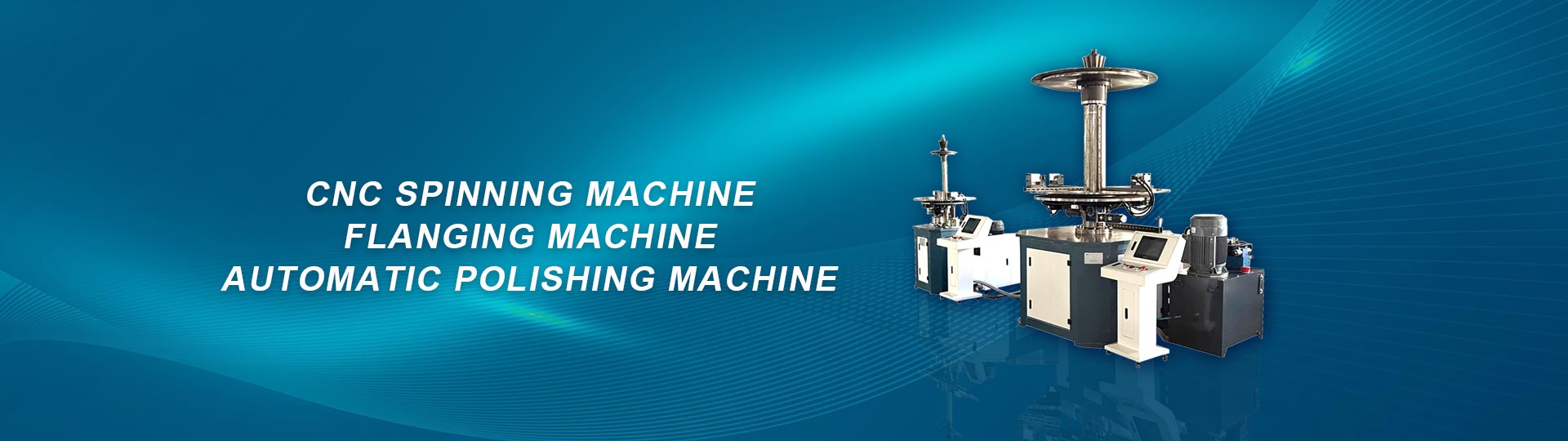
Discover how metal flanging machines streamline manufacturing through automated forming, CNC programming, reduced setup time, integrated operations, improved consistency, and more efficient industrial production workflows.
Discover the differences between hydraulic and CNC flanging machines, including forming force, programmable control, production consistency, industrial applications, and key factors for selecting suitable metal forming equipment.
Discover how conical plate rolling machines manufacture tapered metal components, including reducers, funnels, hoppers, and transition sections, while exploring forming methods, materials, applications, and equipment selection.
Discover how CNC-controlled polishing improves metal surface consistency through programmable tool paths, abrasive control, servo movement, and automatic compensation for demanding industrial finishing applications.
Learn how to choose an industrial metal polishing machine by evaluating workpiece geometry, material, surface finish, automation, abrasive systems, production volume, and long-term manufacturing costs.
Learn how to choose a plate rolling machine for metal fabrication by evaluating material, thickness, working width, pre-bending capacity, roller configuration, automation, and production requirements.
Choose the right CNC metal spinning machine by evaluating material thickness, workpiece dimensions, production volume, automation, and machine capacity to improve manufacturing efficiency and forming consistency.
Compare CNC and conventional metal spinning, understand their differences in automation, accuracy, production efficiency, and applications, and discover how manufacturers can select suitable equipment for different production requirements.
Explore metals suitable for spinning, including aluminum, stainless steel, mild steel, copper, brass, titanium, and nickel alloys, plus their formability, applications, processing challenges, and CNC machine selection considerations.
Circumferential welding joins cylindrical metal components through circular seams. Explore its working principles, applications, welding methods, automation advantages, and equipment selection factors for pipes, tanks, and industrial manufacturing.
An automatic welding machine controls welding movements and parameters to improve production consistency. Explore its working principles, machine types, welding methods, advantages, and equipment selection factors for metal fabrication.
Learn how stainless steel expansion joints are manufactured, from material preparation and tube welding to bellows corrugation forming, final assembly, inspection, and equipment selection for industrial production and quality control.